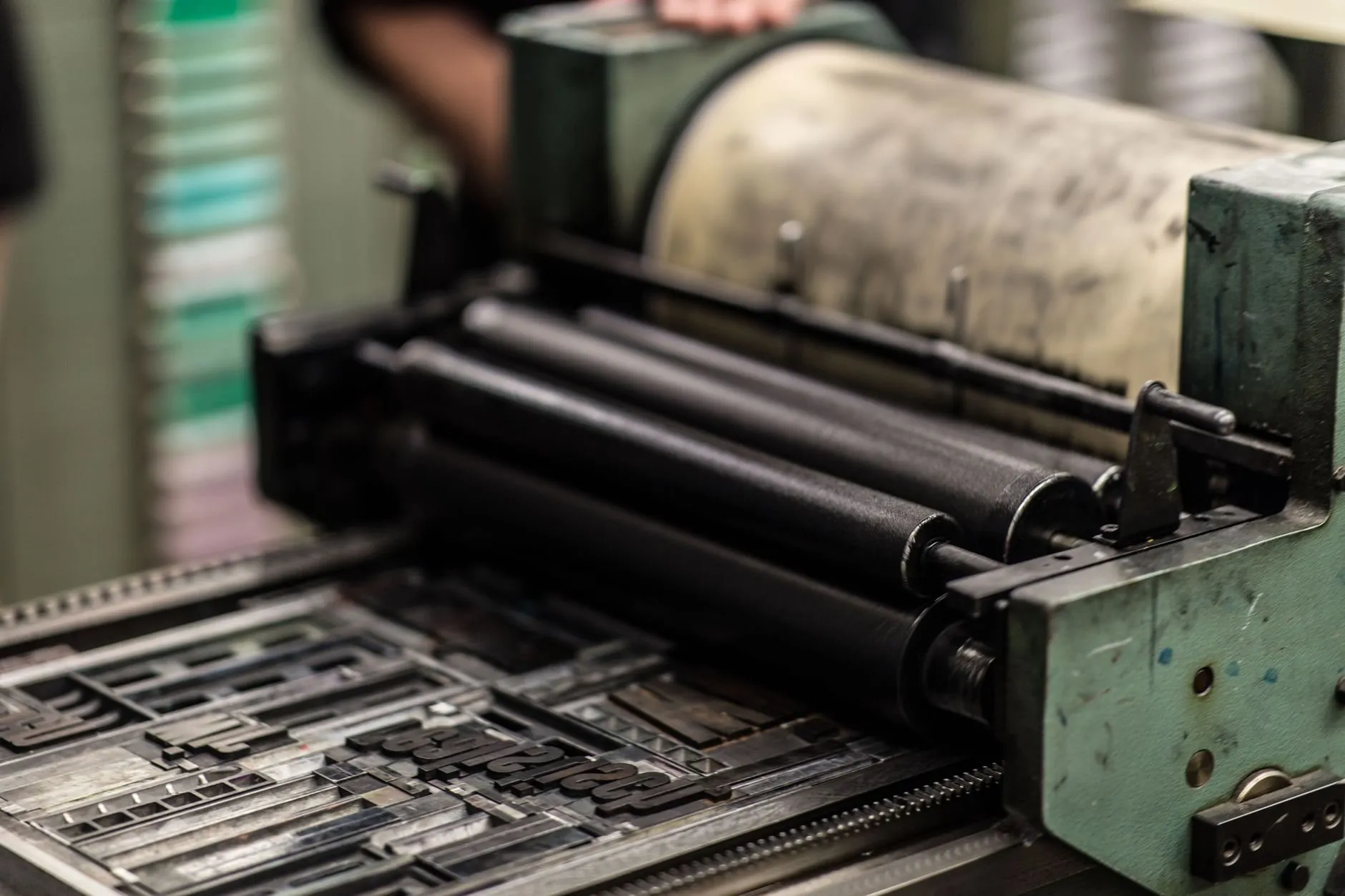
A widow is a last line stranded at the top of a column; an orphan is a first line stranded at the bottom. People mix the terms up, and the trade itself has never agreed which is which.1 It does not matter. What matters is that a single line cut off from its paragraph reads as an error, even to a reader who could not name it.
There are three ways to remove one, and they are not morally equivalent.
Change the spacing
Steal a little from the leading, or from the space above a heading, and pull a line back onto the previous page. This is the printer’s fix: invisible if you are careful, obvious if you are not.
Its honesty is that it changes only the setting. The words are the author’s; the space between them is mine, and I am entitled to adjust it.
The danger is accumulation. A page with a tightened leading sits next to a page without one, and on a spread the difference is visible as a slight darkening of one side. So the rule in most shops is that you may take the space from a whole spread, never from a single page.
For members
The rest of this essay is for members.
Members read everything on VERSAL, including the full archive and the monthly members’ essay. It is £6 a month or £60 a year, and it is what keeps the letter free for everyone else.
Already a member? The full essay is in your inbox.
Footnotes
-
The Chicago Manual and most British printers use the definitions above. Plenty of American printers use them the other way round, and one old compositor I worked with called both of them “that bloody line”. ↩